
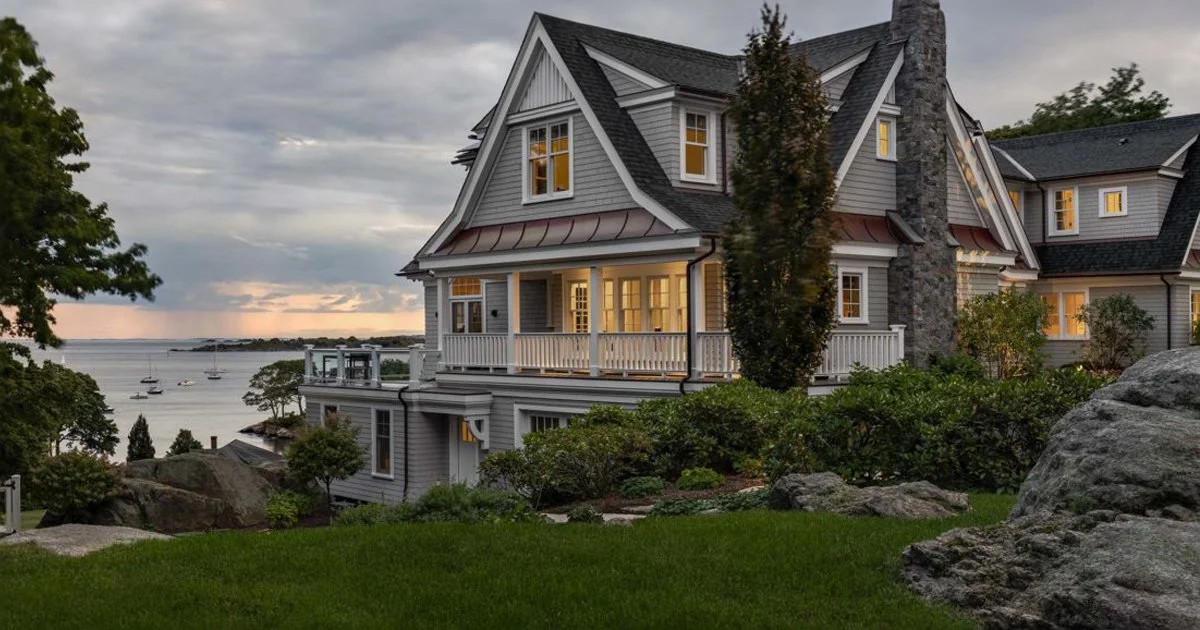
Homeowners Insurance
Homeowner's insurance is a type of property insurance that provides financial protection for your home and its contents in case of damage, loss, or theft. It typically covers:
Dwelling Coverage: Protects the structure of your home (e.g., walls, roof, floors) from damage caused by perils like fire, storms, vandalism, or certain types of water damage.
Personal Property: Covers the loss or damage to personal belongings inside the home (e.g., furniture, electronics, clothing) due to events like theft, fire, or vandalism.
Liability Coverage: If someone is injured on your property or if you accidentally cause damage to someone else’s property, this part of the insurance helps cover medical expenses and legal fees.
Additional Living Expenses (ALE): If your home becomes uninhabitable due to a covered event (like a fire), this part helps pay for temporary living expenses, such as hotel bills, food, and other essentials.
Other Structures: This covers detached structures on your property, such as sheds, fences, or garages.
Homeowner's insurance is often required by mortgage lenders, but even if you own your home outright, it's still a good idea to have it for peace of mind and financial protection. It’s important to read the fine print, as policies vary and certain events (like floods or earthquakes) may not be covered unless you purchase additional coverage.
Auto Insurance
Personal auto insurance is a type of coverage that protects you financially in the event of an accident, theft, or other incidents involving your personal vehicle. It is required by law in most places if you own and drive a car. There are several types of coverage that can be included in a personal auto insurance policy:
1. Liability Coverage
Bodily Injury Liability: Covers medical costs, lost wages, and legal fees if you are responsible for an accident that injures someone else.
Property Damage Liability: Pays for damage you cause to someone else’s property (like their car, fence, or building) in an accident where you're at fault.
2. Collision Coverage
Covers the cost of repairs or replacement if your vehicle is damaged in an accident, regardless of who is at fault.
3. Comprehensive Coverage
Covers damage to your vehicle from incidents that aren't collisions, such as theft, vandalism, natural disasters, or hitting an animal.
4. Personal Injury Protection (PIP)
Pays for medical bills and, in some cases, lost wages for you and your passengers after an accident, no matter who is at fault. This is sometimes referred to as "no-fault" insurance.
5. Uninsured/Underinsured Motorist Coverage
Protects you if you're in an accident caused by a driver who doesn't have insurance or doesn't have enough insurance to cover the damages.
6. Medical Payments Coverage (MedPay)
Covers medical expenses for you and your passengers after an accident, regardless of fault. It’s similar to PIP but more limited.
7. Roadside Assistance
Provides services like towing, flat tire changes, or fuel delivery if you experience a breakdown while driving.
8. Rental Reimbursement
Pays for the cost of a rental car while your vehicle is being repaired after an accident or covered event.
Factors That Affect Auto Insurance Premiums:
Driving Record: If you have a history of accidents or traffic violations, you may pay higher premiums.
Car Type: More expensive or high-performance vehicles typically cost more to insure.
Location: Where you live can influence rates, especially if you're in an area with high rates of accidents or theft.
Coverage Limits: Higher limits of coverage or additional coverage options will increase your premium.
Deductibles: The higher your deductible (the amount you pay out of pocket before insurance kicks in), the lower your premiums.
Having the right type of personal auto insurance is essential to protect you financially in case of accidents, and it also helps cover costs related to damage or injuries. The specific requirements and coverage options can vary by state or country, so it’s important to understand the laws in your area and to tailor your policy to your needs.
Personal Umbrella Insurance
Personal umbrella insurance is an extra layer of liability protection that goes beyond the limits of your regular home, auto, or other personal insurance policies. It is designed to protect you in the event that you are held responsible for an incident that exceeds the liability coverage limits on your primary policies.
Here's how it works:
Key Features of Personal Umbrella Insurance:
Additional Liability Coverage:
Personal umbrella insurance kicks in after your primary auto, home, or renters insurance has reached its limit. For example, if you're in a car accident and the damages exceed your car insurance liability limits, umbrella insurance would cover the additional costs, up to your umbrella policy limit.
Broad Coverage:
It generally covers bodily injury and property damage liability, as well as claims for things like libel, slander, or false arrest—situations that may not be covered by your standard policies.
Protection Against Large Lawsuits:
If you're sued for an amount that exceeds your home or auto insurance limits, umbrella insurance can cover the additional costs. This is particularly important for people who have significant assets to protect, as lawsuits can result in financial damages far exceeding the limits of standard policies.
Worldwide Coverage:
Umbrella insurance typically provides coverage anywhere in the world. So, if you’re traveling abroad and are involved in an accident or lawsuit, your umbrella policy may still apply.
Affordable:
While the idea of buying extra insurance coverage may sound expensive, umbrella insurance is generally quite affordable compared to the amount of coverage it provides. You can often get $1 million in coverage for just a few hundred dollars per year.
When Do You Need Personal Umbrella Insurance?
High Net-Worth Individuals:
If you have significant assets (real estate, savings, investments), you may want umbrella coverage to protect those assets in case of a lawsuit. Without it, your personal savings and property could be at risk if you're found liable for damages that exceed your standard insurance policy limits.
Risk of Lawsuits:
If you engage in activities that could lead to lawsuits, such as hosting large parties, owning a pool, having teen drivers, or driving frequently, umbrella insurance can provide additional peace of mind.
High-Value Property:
If your home or car is valued at a higher-than-average amount, you might want umbrella insurance to cover potential claims that go beyond the standard coverage limits.
Dog Owners:
If you own a dog, especially one that is considered a higher risk breed, an umbrella policy can protect you if your dog injures someone or damages their property.
Example of How It Works:
Imagine you're at fault in a car accident that causes significant injury to the other driver and their passengers. Your auto insurance policy covers up to $500,000 in bodily injury liability, but the other party's medical expenses, lost wages, and pain and suffering total $1.5 million. Without umbrella insurance, you’d be responsible for paying the remaining $1 million out-of-pocket. However, if you have a $1 million umbrella policy, it would cover that excess amount, saving you from a financial disaster.
What It Doesn't Cover:
Intentional Acts: Umbrella insurance doesn’t cover damages caused by intentional harm, fraud, or criminal acts.
Business Liability: It doesn't typically cover business-related claims, like those arising from a business you own.
Damage to Your Own Property: It doesn't cover your personal property or injuries you sustain (those are covered by your home or auto insurance).
Overall, personal umbrella insurance is a smart way to protect yourself from major financial losses in the event of a serious lawsuit. It’s particularly valuable if you have assets to protect or are at higher risk of being sued.
Boat Insurance
Boat insurance is a type of policy designed to protect you financially if your boat is damaged, stolen, or involved in an accident. It works similarly to auto insurance but is tailored specifically to watercraft.
Here’s a clear breakdown:
What Boat Insurance Typically Covers
1. Physical Damage Coverage
Covers damage to your boat itself, including:
Hull (body of the boat)
Motor/engine
Electronics and onboard equipment
Anchors, sails, and other attached gear
Damage may be covered from events like collisions, storms, fire, vandalism, or theft.
2. Liability Coverage
Protects you if you:
Injure someone with your boat
Damage someone else’s boat or property
Cause an accident that leads to legal claims
This covers legal fees, medical costs, and repair bills for others.
3. Medical Payments Coverage
Pays for medical expenses for you and your passengers if injured while on the boat, regardless of who is at fault.
4. Uninsured/Underinsured Boater Coverage
If another boater who doesn’t have insurance (or not enough) causes an accident that injures you or damages your boat, this coverage helps pay the costs.
5. Personal Property Coverage
Covers personal items on board, such as:
Fishing gear
Water sports equipment
Life jackets
Electronics
6. Towing and Assistance
Pays for tow services, fuel delivery, or emergency assistance if your boat breaks down on the water.
Types of Boats That Can Be Insured
Motorboats
Sailboats
Personal watercraft (e.g., Jet Skis, WaveRunners)
Pontoon boats
Fishing boats
Yachts (often require specialized policies)
What Boat Insurance Usually Doesn’t Cover
Wear and tear
Mechanical breakdowns (unless added)
Damage from improperly storing or maintaining your boat
Racing or commercial use (unless you purchase specific coverage)
Is Boat Insurance Required?
It depends on:
State laws (some require it for certain types of watercraft)
Your marina/boat lender (many require proof of insurance)
Even when not required, it’s strongly recommended because boating accidents can be costly.
Style Editor Options
Recreational Vehicle Insurance
Recreational vehicle (RV) insurance is a type of insurance policy designed to protect you and your RV—whether it’s a motorhome, camper, or travel trailer—from financial loss due to accidents, damage, theft, or liability claims. It works somewhat like a combination of auto insurance and home insurance, because an RV can function as both a vehicle and a temporary home.
What RV Insurance Covers
1. Liability Coverage (Required for motorized RVs)
Covers you if you cause:
Injury to someone else
Damage to another vehicle or property
Legal expenses if you're sued
This coverage works like auto liability insurance.
2. Collision Coverage
Pays to repair or replace your RV if it’s damaged in an accident, regardless of fault.
3. Comprehensive Coverage
Covers non-collision damage, such as:
Theft
Fire
Storm damage
Vandalism
Falling objects
Hitting an animal
4. Personal Belongings Coverage
Covers items you keep in the RV, such as:
Clothing
Electronics
Kitchenware
Camping gear
This is important because RVs often contain many personal items.
5. Vacation Liability
Protects you if someone is injured at your campsite or if you accidentally damage another person’s property while your RV is parked for vacation use.
6. Medical Payments Coverage
Covers medical expenses for you and your passengers after an accident, regardless of fault.
7. Uninsured/Underinsured Motorist Coverage
Protects you if another driver causes an accident but does not have adequate insurance.
8. Roadside Assistance
Covers towing, fuel delivery, tire changes, and other emergency services specifically for large RVs.
9. Full-Time RV Insurance (for full-time RV living)
If you live in your RV full-time, you may need a special policy that includes:
Higher liability limits
Residence-based coverage similar to homeowner’s insurance
Medical and personal liability coverage for living in the RV full-time
Types of RVs That Can Be Insured
Class A motorhomes (largest, bus-like)
Class B motorhomes (camper vans)
Class C motorhomes (cab-over style)
Travel trailers
Fifth-wheel trailers
Pop-up campers
Truck campers
Motorized RVs require auto-style insurance; towable RVs typically need specialized trailer coverage.
What RV Insurance Usually Does Not Cover
Wear and tear
Mechanical breakdowns (unless optional coverage is added)
Mold, rot, or pest damage
Commercial use (like renting it out)
Personal items above policy limits without extra coverage
Do You Need RV Insurance?
Motorized RVs: Insurance is legally required, just like for cars.
Towable RVs (trailers): Liability is covered by your auto policy while towing, but damage to the trailer itself usually requires a separate RV/trailer policy.
Private Client Insurance
Private client insurance (also called high-net-worth insurance or personal lines for affluent clients) is specialized insurance designed for individuals and families with significant assets, higher-value properties, or complex insurance needs. It offers broader protection and higher coverage limits than standard home or auto insurance policies.
Here’s a clear breakdown:
What Private Client Insurance Is
Private client insurance is a customized, premium-level insurance service that provides comprehensive protection for people with high-value assets—such as luxury homes, expensive vehicles, fine art collections, or significant personal wealth.
It typically involves personalized attention, risk assessments, and tailored coverage that standard insurance policies don’t offer.
What It Commonly Includes
1. High-Value Home Insurance
Designed for luxury or unique homes, with coverage for:
Full reconstruction cost (not just market value)
Custom materials and craftsmanship
Guest houses, pools, and specialty structures
High-end appliances and finishes
2. High-End Auto Insurance
Covers:
Luxury, exotic, or collector cars
Agreed-value coverage (you get the insured value with no depreciation)
OEM parts and specialty repair shops
Worldwide rental car coverage
3. Personal Umbrella / Excess Liability
Provides very high liability limits—often $5M, $10M, or more—to protect wealth against large lawsuits.
4. Valuable Collections Coverage
For items such as:
Fine art
Jewelry
Wine collections
Antiques
Musical instruments
Memorabilia
This coverage offers:
Itemized or blanket protection
No deductibles in many cases
Worldwide coverage
5. Yacht and Watercraft Insurance
Coverage for:
Yachts
Sailboats
Mega-yachts
Crew liability
Worldwide navigation
6. Travel and Kidnap/Ransom Coverage
For clients who:
Travel internationally
Have elevated exposure to targeted crimes
Need evacuation or crisis response support
7. Family Office or Multi-Property Packages
Designed for clients with:
Multiple homes
Staff employees
Domestic workers
High liability exposure
This consolidates insurance needs under one coordinated program.
Key Features That Make It Different
✔ Customized, concierge-level service
Risk advisors may visit your properties in person to build a tailored plan.
✔ Higher limits than standard policies
Ideal for protecting multimillion-dollar homes, cars, and assets.
✔ Made for complex lifestyles
Covers frequent travel, multiple homes in different states or countries, and luxury purchases.
✔ Broader coverage with fewer exclusions
Policies often include protections that standard insurance does not.
Who Typically Needs Private Client Insurance?
People who have:
High-value homes (usually $1M+ depending on insurer)
Luxury or collector vehicles
Multiple properties
Significant investments or wealth
Valuable collections
Increased liability exposure (public figures, business owners, etc.)
High Value Home Insurance
High-value home insurance is a specialized type of homeowner’s insurance designed for luxury homes or properties with high replacement costs, typically valued at $750,000 to several million dollars, depending on the insurer. It provides broader protection and higher coverage limits than a standard homeowner’s policy.
What Makes High-Value Home Insurance Different?
1. Full Rebuild / Guaranteed Replacement Cost
Covers the actual cost to rebuild your home, even if it exceeds the policy limit.
This matters for homes with:
Custom architecture
High-end materials
Specialty craftsmanship
Standard homeowner’s insurance often caps the payout, which can leave large gaps.
2. Higher Coverage Limits
High-value homes contain high-value contents. Coverage is expanded for:
Luxury furnishings
High-end appliances
Art, jewelry, or antiques
Custom features (theaters, wine cellars, smart-home systems)
3. Coverage for Unique / Custom Features
These policies consider elements like:
Imported stone or hardwood
Custom cabinetry
Designer fixtures
Historic or architect-designed structures
Standard policies may not fully value these.
4. Additional Living Expenses (ALE) at Premium Levels
If the home becomes unlivable, the policy covers:
Long-term luxury rental homes
Moving and storage
Higher living costs during repairs
Not just basic temporary housing.
5. Better Protection for Personal Belongings
High-value policies provide:
Higher limits for jewelry, art, and collectibles
Worldwide coverage
Optional itemized protection with no deductible
Standard homeowner’s insurance typically has low sub-limits (e.g., $1,500 for jewelry).
6. Enhanced Liability Protection
Because high-value homeowners often have more at risk, these policies include:
Higher personal liability limits
Options to add personal umbrella coverage
Protection for domestic staff or household employees
7. Risk Management Services
Some insurers perform in-home assessments to help:
Identify fire, theft, or water damage risks
Recommend security upgrades
Provide disaster preparation advice
This concierge-level service is unique to high-value policies.
Who Needs High-Value Home Insurance?
Homeowners who have:
Homes worth $1.5MM+ (varies by insurer)
Custom-built or architect-designed homes
Historic homes
Homes with premium materials or systems
Significant personal property inside the home
Major Companies That Offer High-Value Home Insurance
Common insurers include:
Chubb
PURE
AIG Private Client Group
Nationwide Private Client
Cincinnati Insurance